

Homeowners
like Pat (opens in new tab)
whose tax bills keep rising, even though they are already paying thousands more than similar properties.
Let’s restore fairness.
Unfreeze Ontario.
The province froze assessments because of the pandemic. A decade later, the market has changed drastically. But the value of assets has yet to be updated.
Some businesses and property owners are paying more than their fair share, while others are paying less. The effects of this can impact leasing, operating costs and development planning. Tenants are getting freezer burn, too. As a result of higher commercial property taxes, tenants pay more in occupancy costs.
Despite the province working to make homeownership more affordable, half of Ontario’s taxpayers are paying more than their neighbours because assessments haven’t kept up with market changes.
An indefinite freeze pushes an unfair system where some taxpayers end up footing the bill on behalf of others. Without a clear reassessment date, valuation date or transition timeline, taxpayers and municipalities will continue to struggle in the face of uncertainty.

whose tax bills keep rising, even though they are already paying thousands more than similar properties.

operating at a property estimated to be overpaying $16,800 a year.
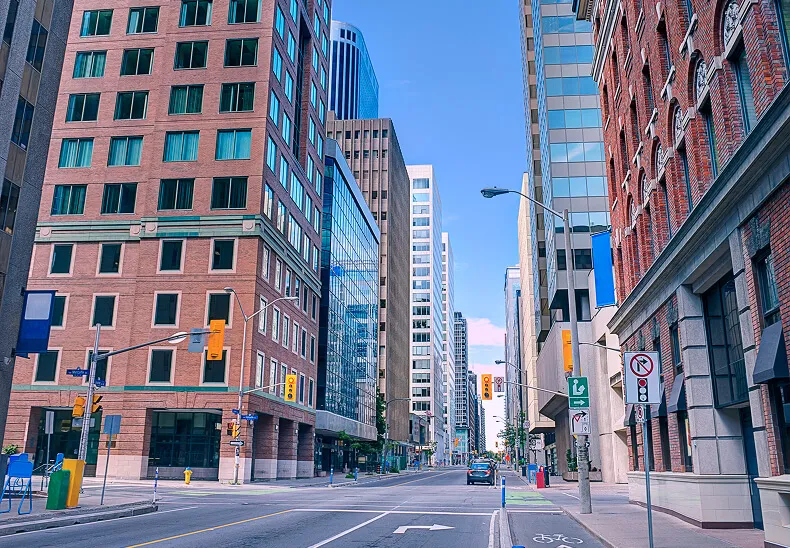
who could have their taxes reduced by 30% or more if the province conducted a reassessment.
is the estimated amount the freeze is costing some Ontario businesses each year.
is how much commercial values have increased between 2016 and 2025.
could be paying less in taxes if assessments were unfrozen.
of condos sold in Toronto in 2025 were estimated to be overtaxed.
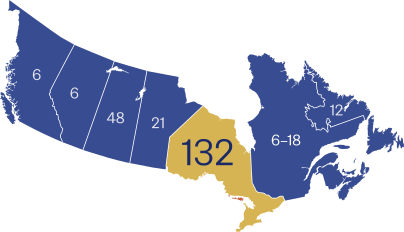
is how out of date Ontario’s assessments were versus 6-48 months elsewhere in Canada.
Support for reassessment among experts is heating up.
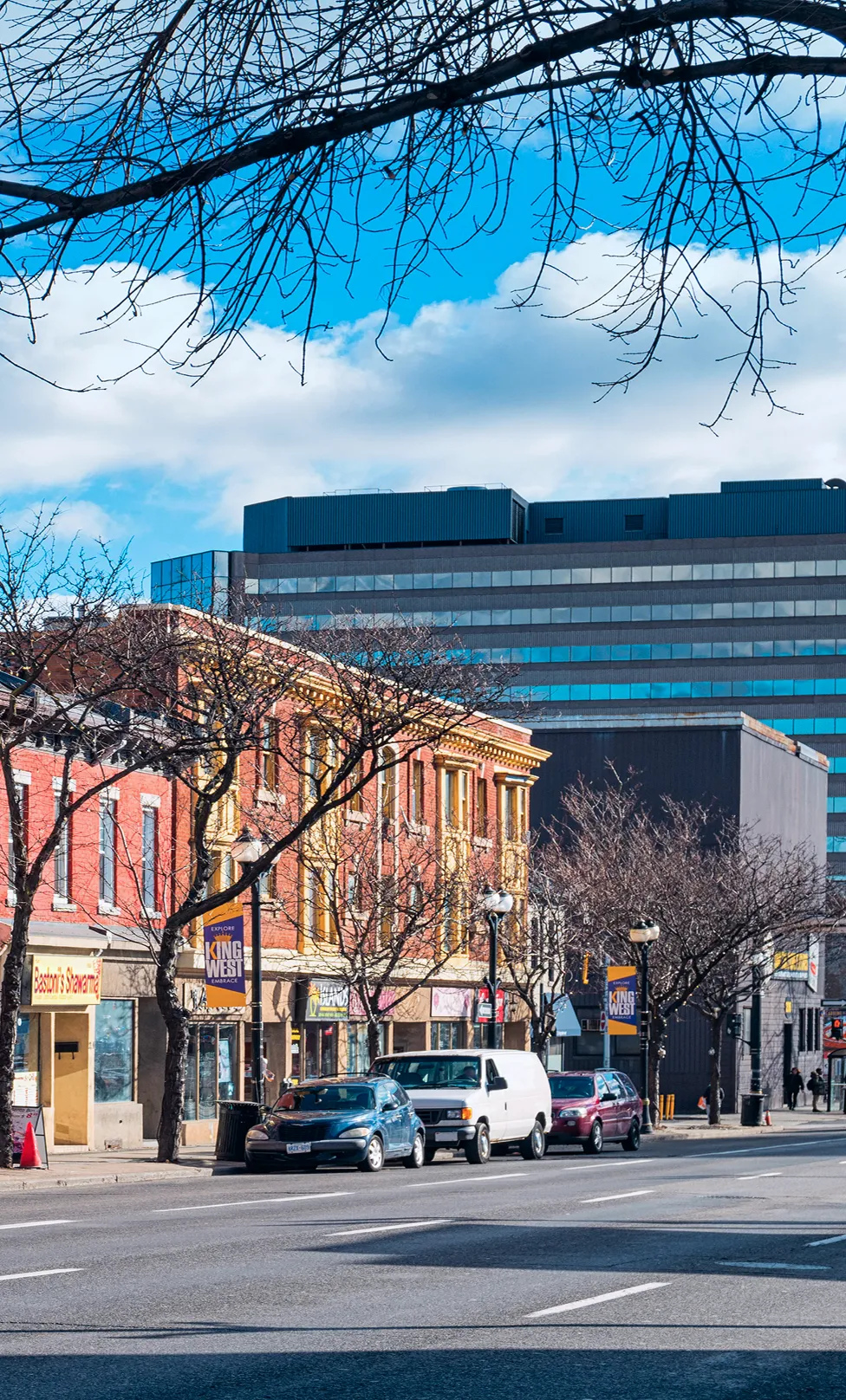
It’s time for Ontario to join the rest of Canada. End the assessment freeze and return to a regular, province-wide reassessment cycle.
You can stay informed by subscribing to the Unfreeze Ontario Substack (opens in new tab) and signing up to stay informed on our mission to Unfreeze Ontario.